Creative strategy, production and post production

You know the product, service or expertise. I take on the production.

For employers and in-house teams, I take responsibility for production from strategy through execution. For small businesses and personal brands, I work as an external creative team.

I define the audience, build the central message and script, then turn the visuals, video, animation, sound, colour and final edit into delivery-ready files.

You do not need to coordinate separate people for strategy, design, editing and AI-assisted production. Product, service and brand decisions stay with you; I keep the central idea intact through production.

See how I work
Mehmet Kocabaş, working across video, visual production and post
Mehmet Kocabaş Creative strategy, production and post production
01 / Strategy One clear message for the right person

I establish who the work is addressing, what that person wants and where they hesitate.

I build the script and visual direction from those answers. The result is not merely something that looks good; the viewer can connect it to a need they recognise.

02 / Production One process from idea to delivery-ready file

The proportion of live shooting, existing photographs and video, AI-assisted production and post production changes with each project.

I use Photoshop, Premiere Pro, After Effects and generative AI tools only where the job needs them. I build the visual, then complete the edit, animation, sound, colour, captions and final delivery. If product form, packaging text, character appearance, lighting or colour drift between scenes, I correct it before the final file.

03 / System A structure that does not restart the next piece from zero

Content production should not create another coordination job for the client.

I work through one contact and plan reusable parts from the start: screen layouts, caption systems, motion rules, script structures or design templates. The aim is to help later production run with less shooting, less coordination and less rebuilding.

I turn the brief into a production plan.

First, I clarify the product, service or expertise; who it needs to reach; the brand voice; the available materials and the deadline.

That makes the content type, central message, necessary scenes and delivery scope visible.

01 / Plan

Turn the brief into a production plan

First, I clarify the product, service or expertise; who it needs to reach; the brand voice; the available materials and the deadline.

That makes the content type, central message, necessary scenes and delivery scope visible.

02 / Production

Choose the right production method

Not every scene needs a real shoot. Producing everything with AI is not right either.

I decide what to shoot, what can be built from available materials and where AI-assisted production or post production belongs, while protecting product and brand accuracy. The tools do not outrank the creative or commercial decision.

03 / Delivery

Carry production through to the final file

The script, visual direction, design, edit, animation, sound, colour and necessary corrections all move forward from the same central idea.

At the end, video, visual or print files are delivered in formats suited to their use. Reusable parts are organised for later work.

Decisions made before the tools

The work below shows not only what I produced, but why I chose that route for a particular problem.

For the Budapest film, the audience and a sense of life guided the decision. For HİPAŞ, it was product accuracy. At ELF Global, the deciding factor was the time available for camera work.

Budapest Real Estate · 16:9 brand film

Presenting Budapest as a life to build, not a property listing

The starting request was a 16:9 film introducing the brand. I built the story around couples considering a new life abroad.

When I reviewed competitor communication and the audience, a narrower group stood out over families with children: newly married, educated couples considering a future in another country. The early idea included a comparison with Dubai. I took that comparison out and built the story around the life that could be built in Budapest, rather than a comparison between cities.

Night views of the city, warmth inside the home and the blue light of the Parliament building became the visual basis for a calmer, more lasting sense of the future.

I made the film in January 2025. At the time, generative video models could easily change character appearance and scene lighting from shot to shot. I established continuity in still images before adding movement, then corrected the remaining differences in light and colour in post production. The aim was to keep technical limits from showing up as breaks in the final film.

  • Audience and positioning
  • Central idea and script
  • Visual direction and scene continuity
  • Voiceover and music arrangement
  • Colour correction
  • Final edit

HİPAŞ · Industrial product communication

Place the product in the moment it is needed

The catalogue described what the products were and their technical specifications. The films had to show why a business might need them.

I opened the three films with three different operational problems: chemical spill risk for P4-235, handling difficulty for HK-4623 MK and waste-sorting problems for CK-70. Technical details followed those problems. The viewer first encountered a situation they could recognise from their own business, then the product information entered as its solution.

I used the real product photographs as fixed references and created different use settings without changing the products’ form. That removed the need to arrange a separate location and shoot for each product. The client requested more of the series. I later turned the problem-led script flow, product presentation and technical-information segment into a template its marketing team could use.

  • Problem-led scripts
  • Protecting product accuracy
  • Creating use settings
  • Editing and post production
  • A reusable template for the marketing team

P4-235

Chemical spill pallet

A film that shows the product within a use scenario that begins with chemical spill risk, rather than a list of technical specifications.

HK-4623 MK

Closed container

A film that connects the handling problem to the product’s construction, technical features and areas of use.

CK-70

Zero-waste bins

A film that connects the waste-sorting problem to the product’s function and use setting.

Social media design directions for HİPAŞI prepared two visual directions for the same subject. The first foregrounded the brand’s red and existing corporate language. The second approached food safety and technology with a quieter palette. Before expanding the system, the client could compare how the same message looked in two distinct brand tones.

ELF Global · Vertical content system

A video series that does not need a new filming day for every episode

The same person handled consulting, operations and presentation. I built the content format around their calendar and the time they could spend on camera.

I combined live footage, lip sync and avatar use within the same episode structure. The avatar made a short opening. Real footage, motion graphics and Turkish captions carried the detail. That meant a new episode did not require planning a full new filming day from beginning to end.

The text structure, screen layout and animation rules were designed once for the series. Later episodes changed the topic and opening line while keeping a visual system the viewer could recognise. The practical benefit was maintaining regular production while reducing the consultant’s time in front of the camera.

  • Text and episode structure
  • Avatar and lip sync
  • Motion graphics
  • Turkish captions
  • Vertical video editing
  • Reusable series system

Australia

Destination content

An episode that moves from an avatar opening to university, city and career options through live footage and on-screen explanations.

Canada

Destination content

A vertical video combining city footage with education and work-permit information.

Exam preparation

Avatar presentation

An episode that continues a short avatar opening with motion explanations and student footage.

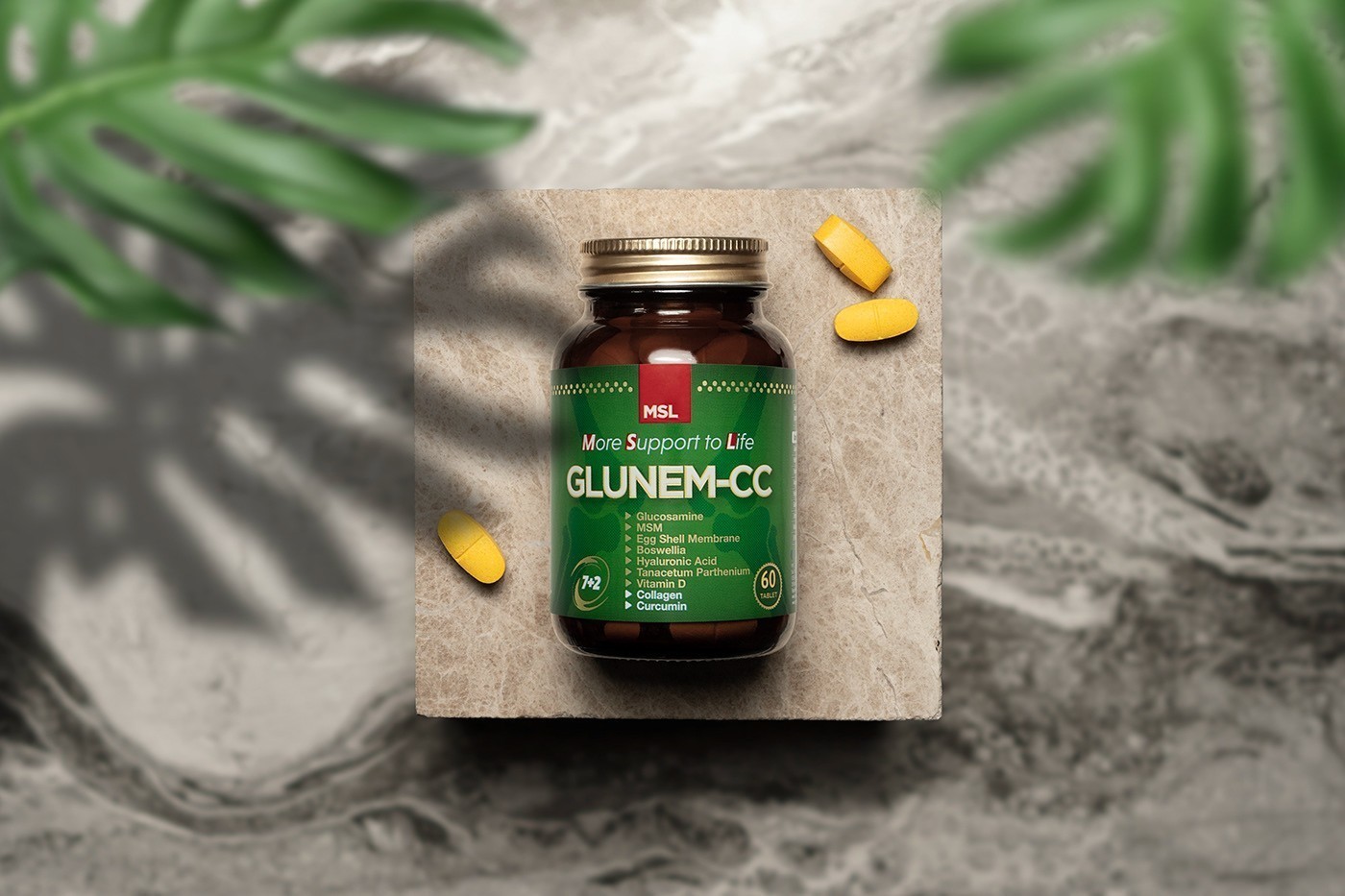
Product visual study · Glunem-CC

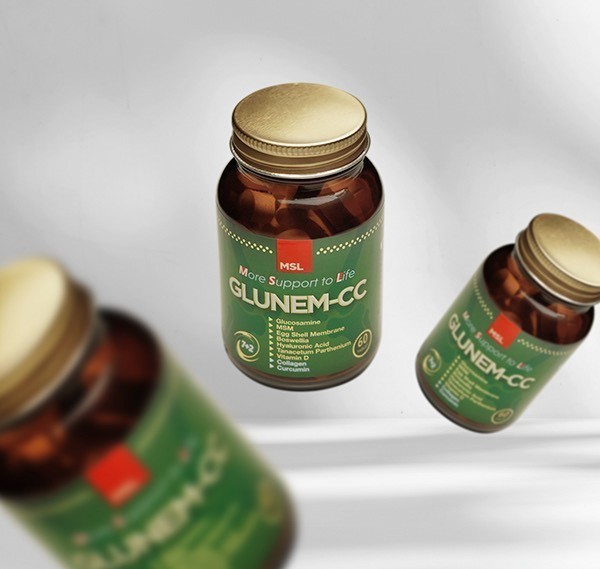
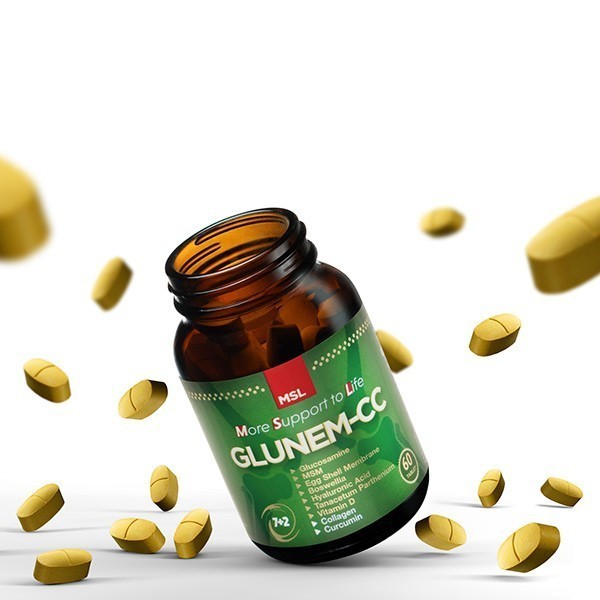
Create new settings from one product photograph without changing the packaging information

The client wanted print visuals for Glunem-CC that could work in different settings.

Placing the product in new scenes was only the first part of the job. During AI-assisted production, the product name, label, barcode and packaging details could change. Using the original product photograph as a reference, I rebuilt those details in Photoshop and retained the real packaging information in every new setting. I set the colour direction to support the dependable, careful appearance of a health product.

TaskCreate print ready visual options from one product photograph.

WorkAI-assisted scene development, Photoshop retouching, name, label and barcode accuracy, product-form protection, colour and art direction.

Keeping the same face and product across different frames

The projects below are independent concept studies. They do not represent official client work for the brands.

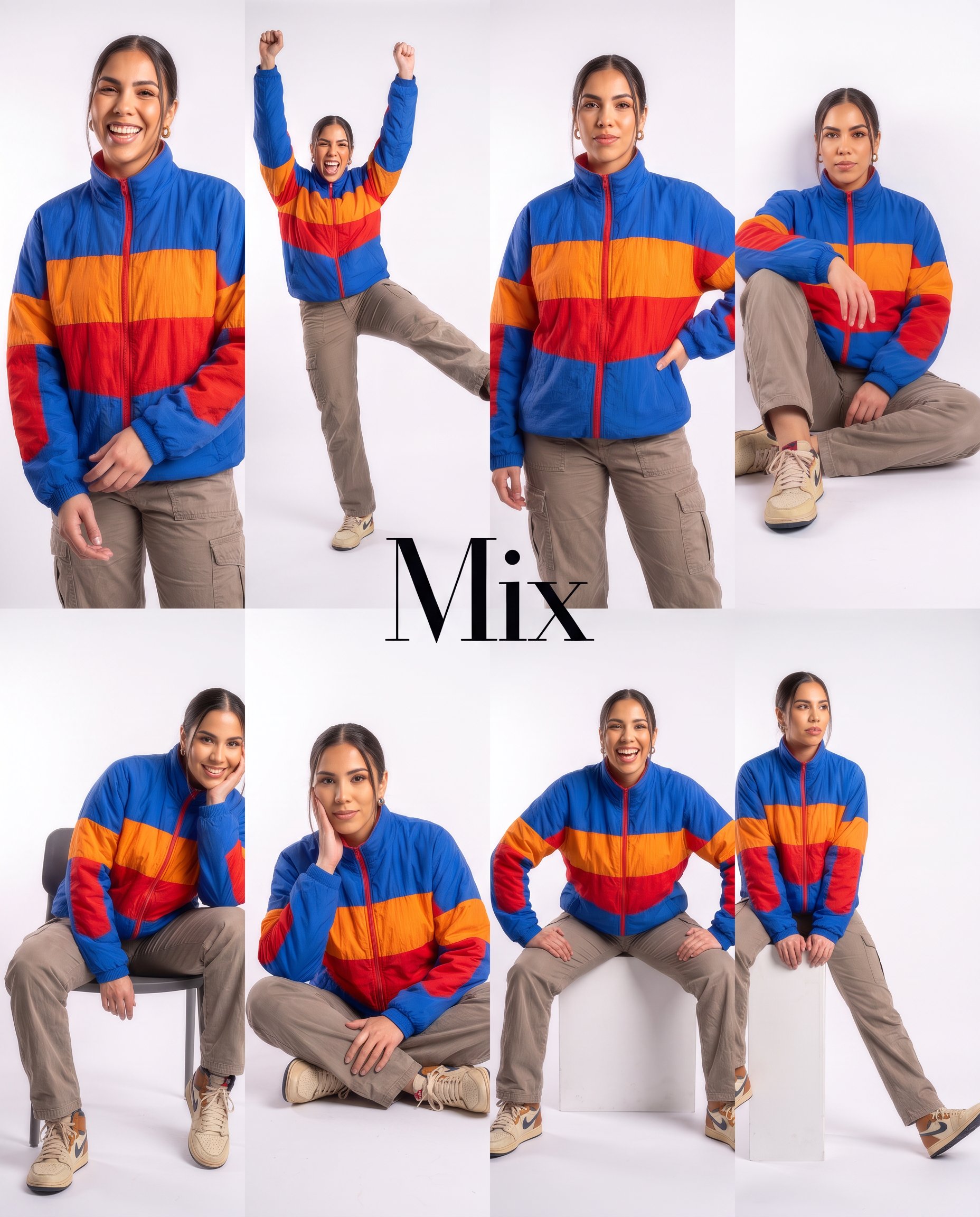
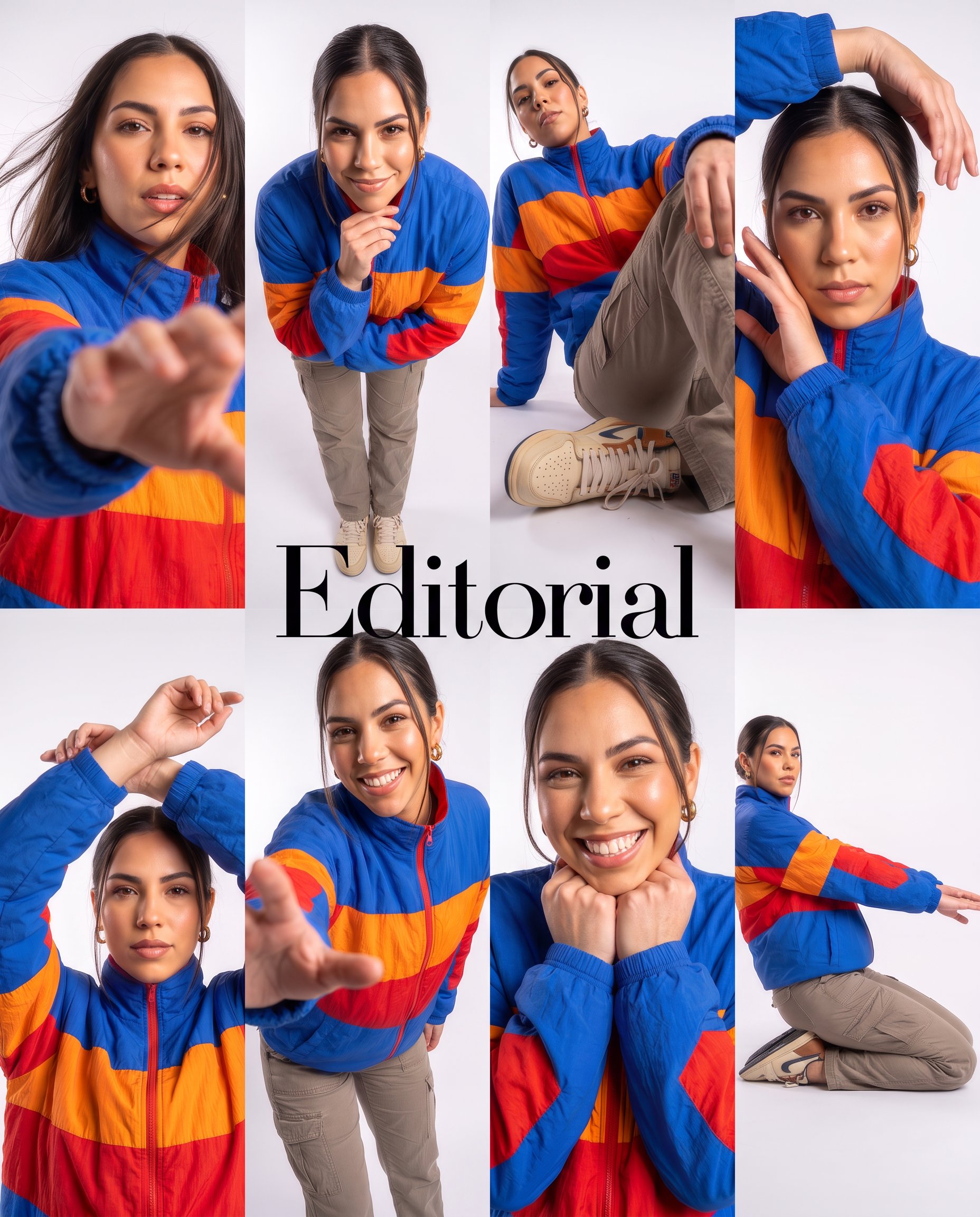
I made them to test how well reference details such as a face, clothing, product form and colour can survive changes in scene, angle and movement. When AI output moved away from the original reference, I corrected it with Photoshop and editing. The goal was less about each visual working alone and more about the series retaining the feeling of one campaign.

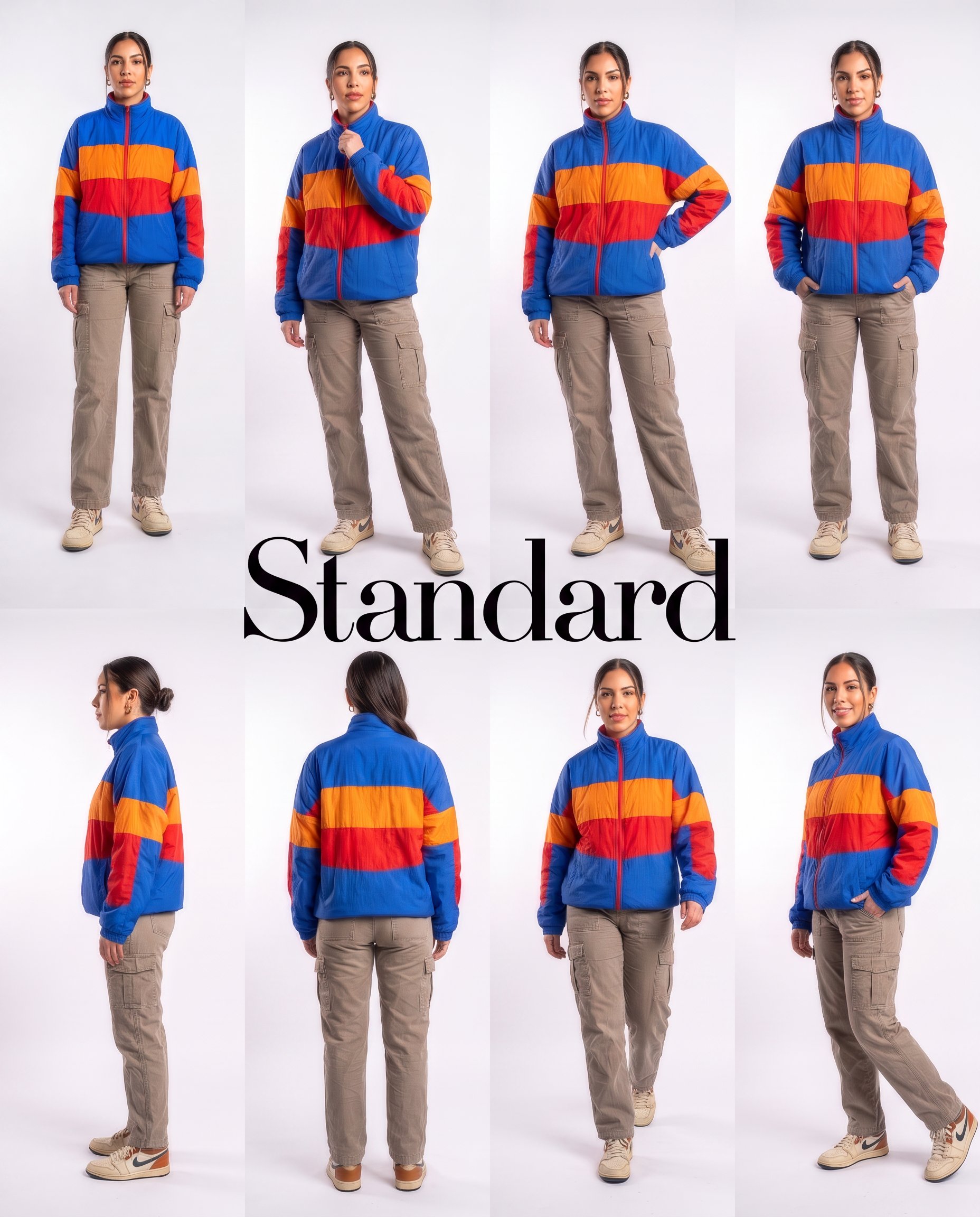
Nike concept series

Move the product from the studio outdoors

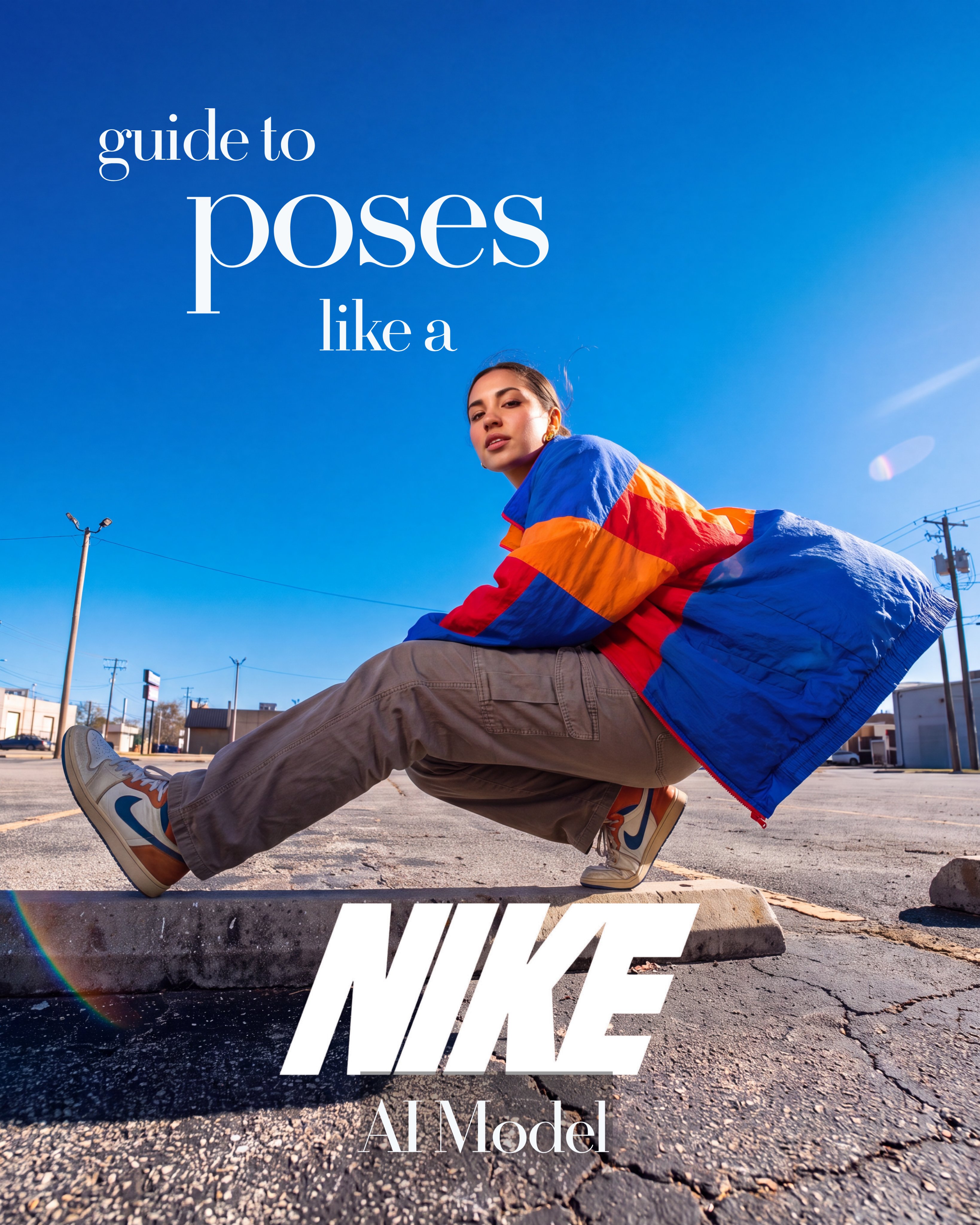
The model and clothing stayed the same while the setting moved from studio to exterior.

Outdoor light shifted the product colour away from the first reference. I corrected that difference in Photoshop to retain the colour through the series. The final exterior frame was not added merely to show the product against another background; it tested whether a controlled catalogue image could extend into a lifestyle scene without losing model and product consistency.

Independent concept study.

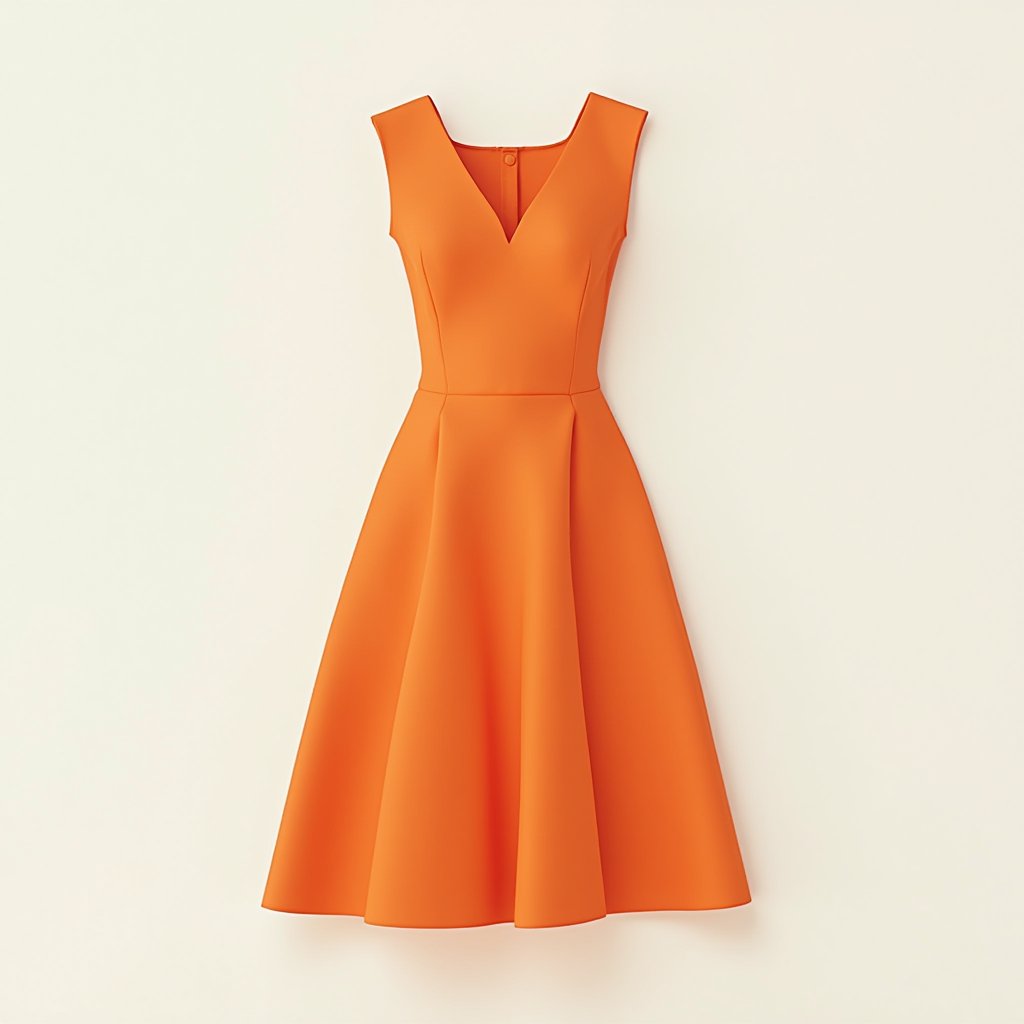
Studio frame from an independent Nike concept seriesThe same model in different poses for a Nike concept seriesOrange product frame from a Nike concept seriesOutdoor frame from an independent Nike concept series

Model and product consistency

Test consistency in motion as well as still frames

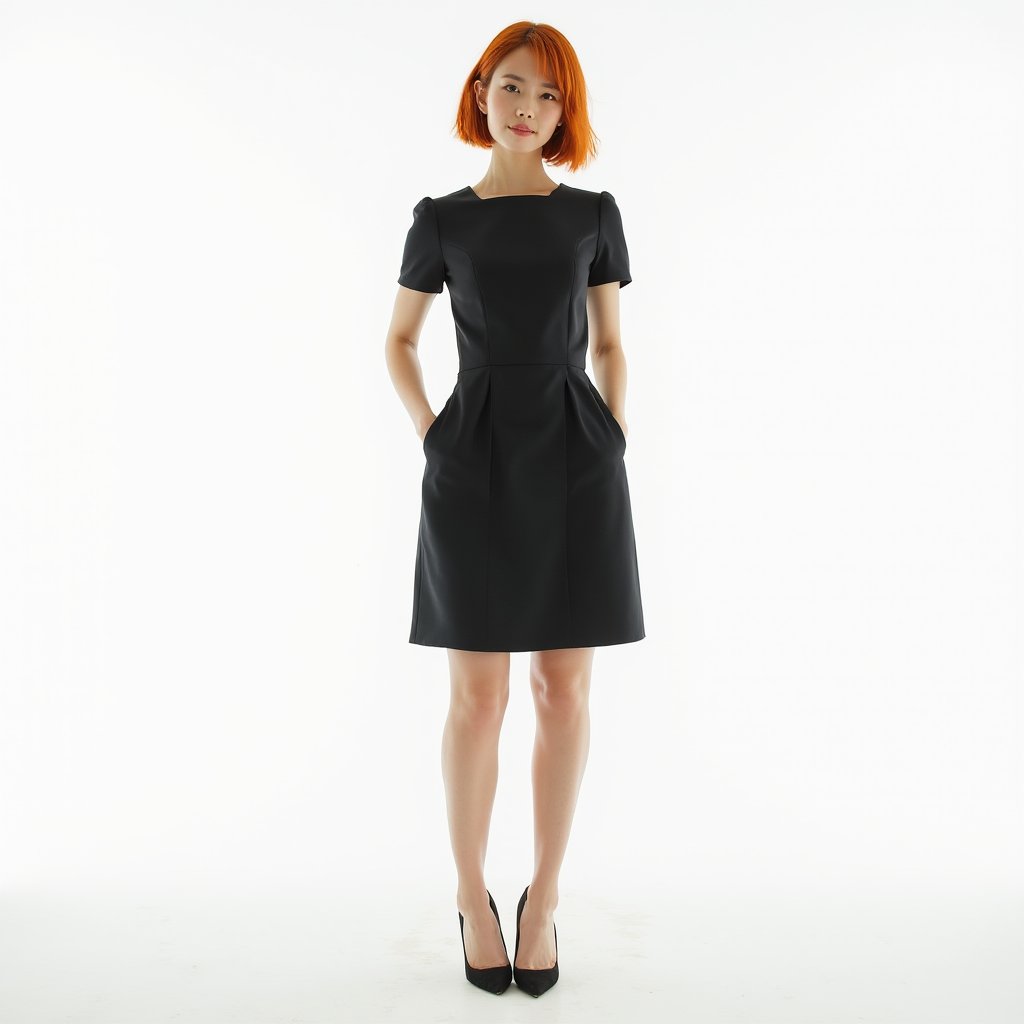
I prepared two angles and kept the clothing and product form the same.

I then placed a short moving transition between those images. Whether the face and product had really held together became visible not only in the stills, but in motion.

First still of a model in a black dressSecond still of the same model in a black dress

Monster Energy concepts

The same campaign does not mean the same poster

Classic and Rehab had different product characters. Giving one the other’s colours would not have established separate visual directions.

I designed the texture, colour and central message separately for each product. The headline hierarchy and shared poster structure held the campaign together. The result kept both posters in one system without losing their distinct product characters.

Both posters are independent concept studies.

When the format changes, the visual decision changes too

For the social media series, I made the central message recognisable. On a booklet cover, I made one idea visible at small size. In educational content, I divided complex information into an order the viewer could follow.

I built colour, typography and visual hierarchy around the job the content needed to do, not aesthetics alone.

Online entrepreneurship post series

Turn the idea of chance into a strategy message

The cup-and-ball metaphor turned “do not leave your business to chance” into a concrete image.

Across four posts, I used that metaphor for building an online business, using time well and investing in ability. Navy carried yellow and white typography. The red cups and green ball became common focal points that showed the four designs belonged to the same series.

Booklet covers

Make the book’s central idea visible on one cover

For each cover, I built the promise of the title around one main image.

For Letters from Jeff Bezos, I used the envelope, letters and the arrow in the Amazon logo. For The Resilient Entrepreneur’s Discipline Guide, I used a superhero image to convey personal transformation. I set the title hierarchy so the book name remains readable at small screen or listing sizes.

Matt Thomas · Volume Profile Formula

Explain a complex market subject step by step

I prepared the copy and order of explanation. The viewer first encountered the timing problem, then saw how the formula approached it section by section.

Navy and turquoise created the main field associated with market screens. Red, green and orange accents separated important decision points. I kept Matt Thomas’s face as a visual reference through the series, while changing scenes supported every stage of the explanation with its own image.

Educational video

Specific contributions in shorter formats

Rather than longer case narratives, this section shows the production tasks I took on in individual projects.

Brand film

Smart Güneş

Footage selection, visual sequencing and final edit for an energy project.

Vertical product animation

Schogetten

Vertical motion design from product visuals and an edit for social media.

Vertical social media video

Sushico

Vertical video editing from location and product footage.

Space film

YUNT Gallery

Editing built from the gallery space and architectural details.

Event promo

WDSC 2022

A rhythmic event video from action sports footage.

Vertical real estate video

Hungarian property content

Presenter footage, motion graphics and vertical social media editing.

Bring knowledge and production capacity together

I work with small businesses without a full-time creative team, in-house teams looking to strengthen production capacity for a project, and personal brands that want to turn their knowledge into regular content.

The product, service or subject knowledge is already in the team, but the time or production capacity to turn it into a central message, script, visual system and publishable file is limited. The team brings the knowledge. I choose the right format, build the message and carry production through to the final file.

  • Explain technical product or service information without turning it into inaccurate claims
  • Let the viewer see their own problem before they see the solution
  • Produce different deliverables from one brief, such as a brand film, vertical video, product visual or social media series
  • Work with one person for the central message, script, design, edit, sound, colour and final delivery
  • Combine live shooting, existing materials, AI-assisted production and post production in one process
  • Protect product form, packaging information and brand voice through production
  • Stop starting each piece from scratch by reusing screen layouts, caption systems, motion rules and templates

Tell me about your product, service or expertise, and where the work gets stuck.

For a first message, it is enough to share what you offer, who you want to reach, the photos, video, text or brand files you have, and your intended publication or delivery date.

You do not need to know the format or solution in advance. In an initial conversation, we can clarify the central message, the deliverables, whether a real shoot is needed and the scope of the work.

Message me on LinkedIn for an initial conversation